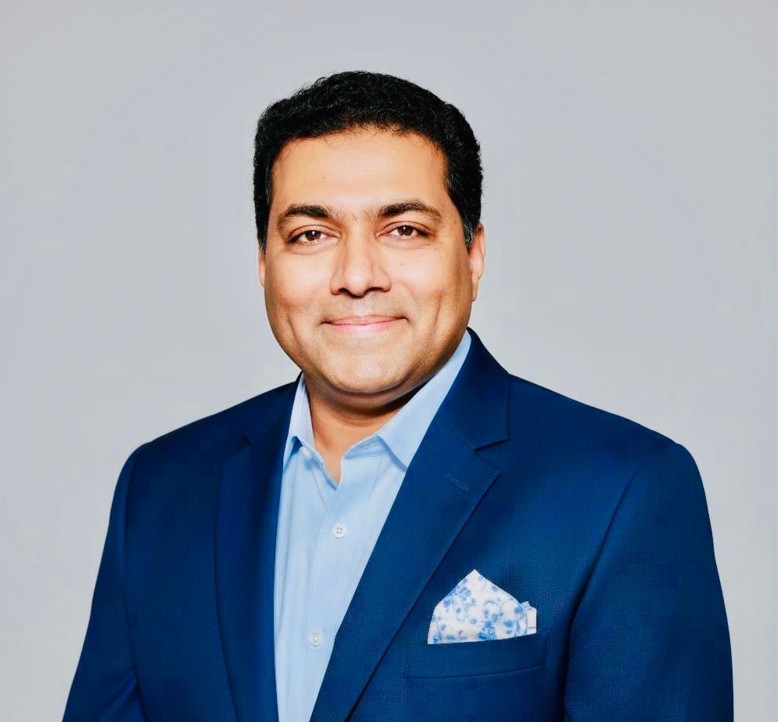
Director, Narayana Nethralaya, Bengaluru, India Professor, Translational Research Chair, Maastricht University, Netherlands
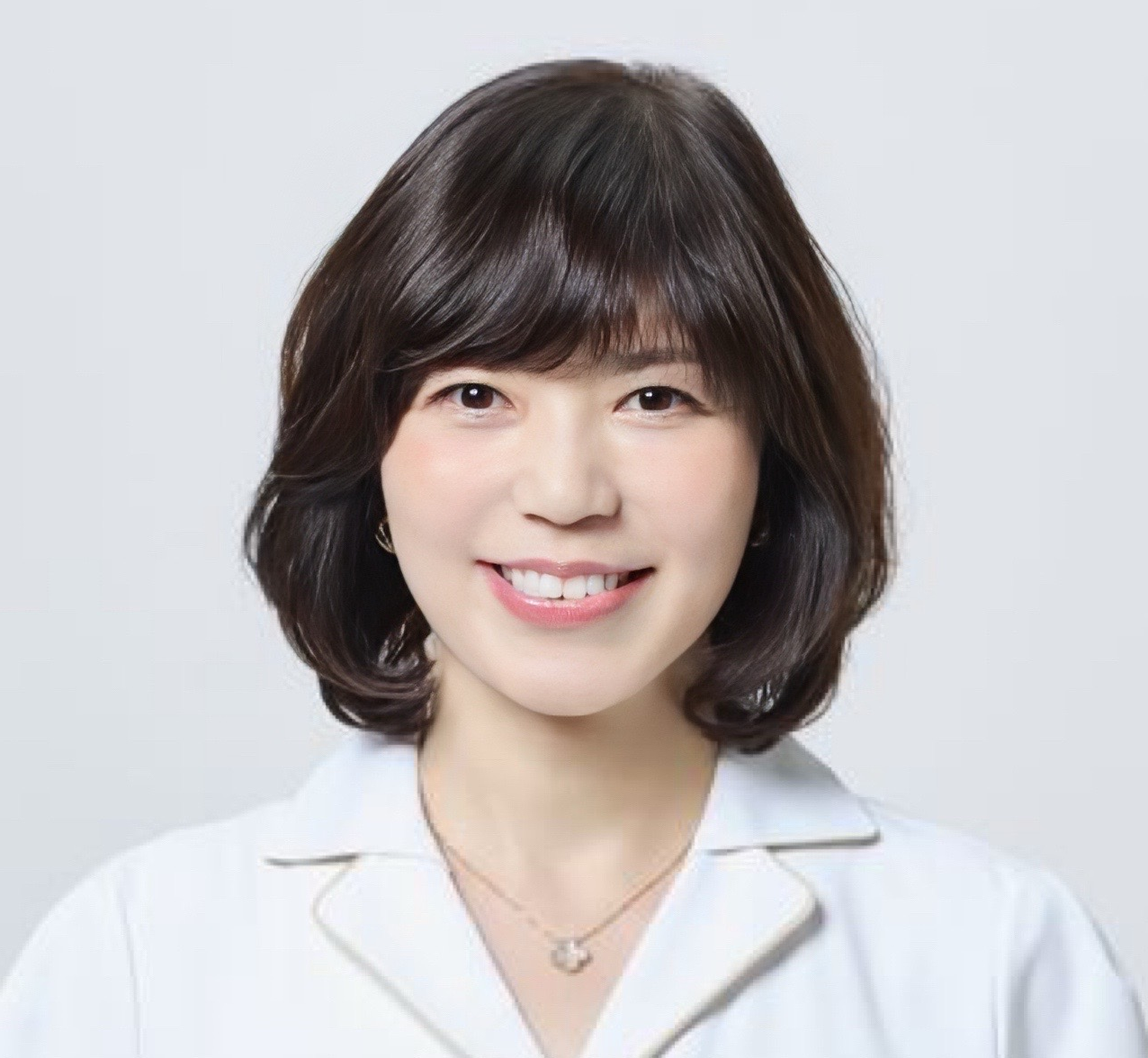
Deputy Director Department of Ophthalmology, Itoh Clinic Japan
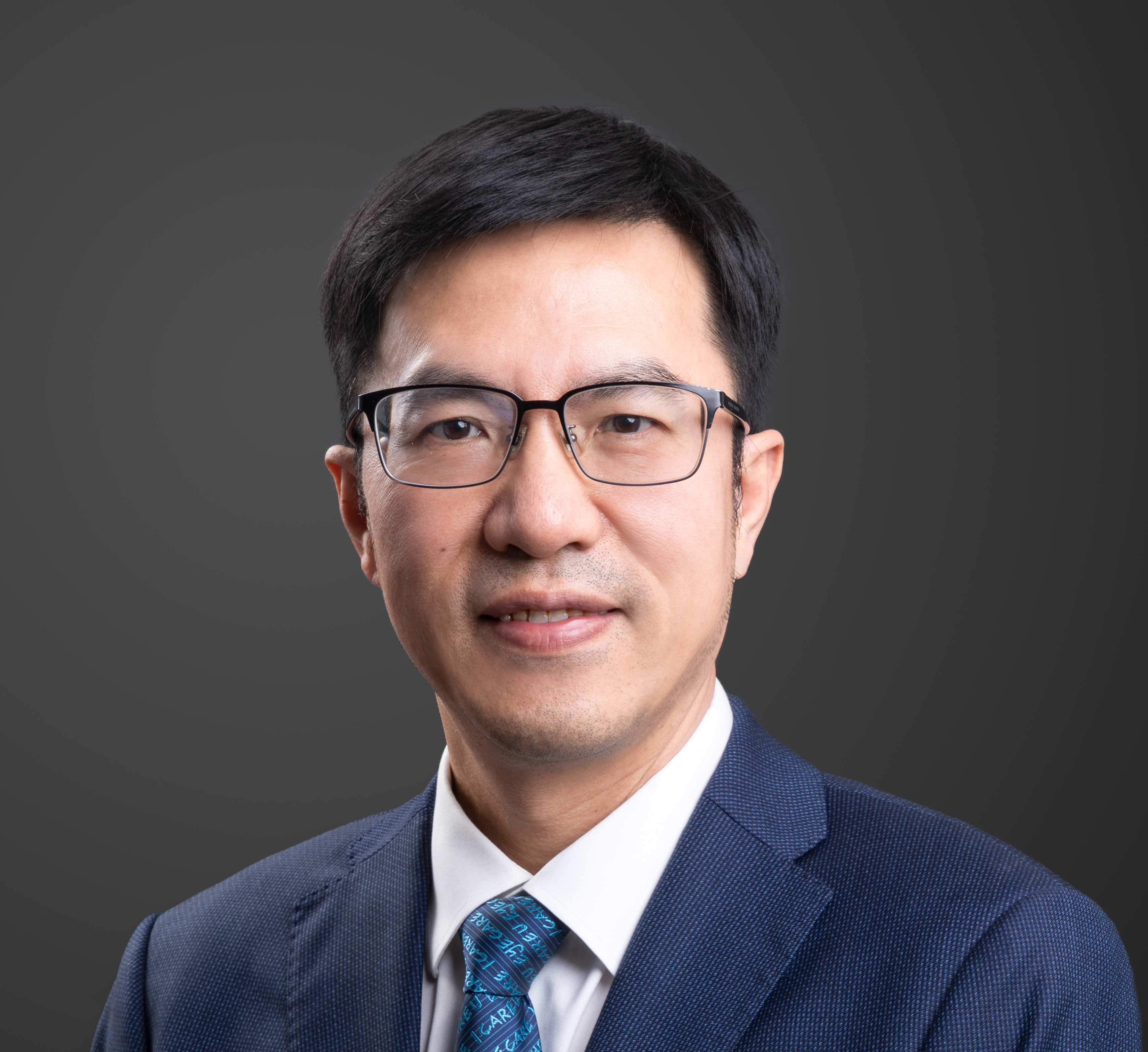
Vice President, Professor, Eye Hospital, Wenzhou Medical University
Professor and Chair Department of Ophthalmology, Fukuoka University, Japan
Chief Executive Officer, Tsubota Laboratory, Inc., Japan
Associate Professor, Department of Innovative Visual Science. The University of Osaka Graduate School of Medicine, Japan
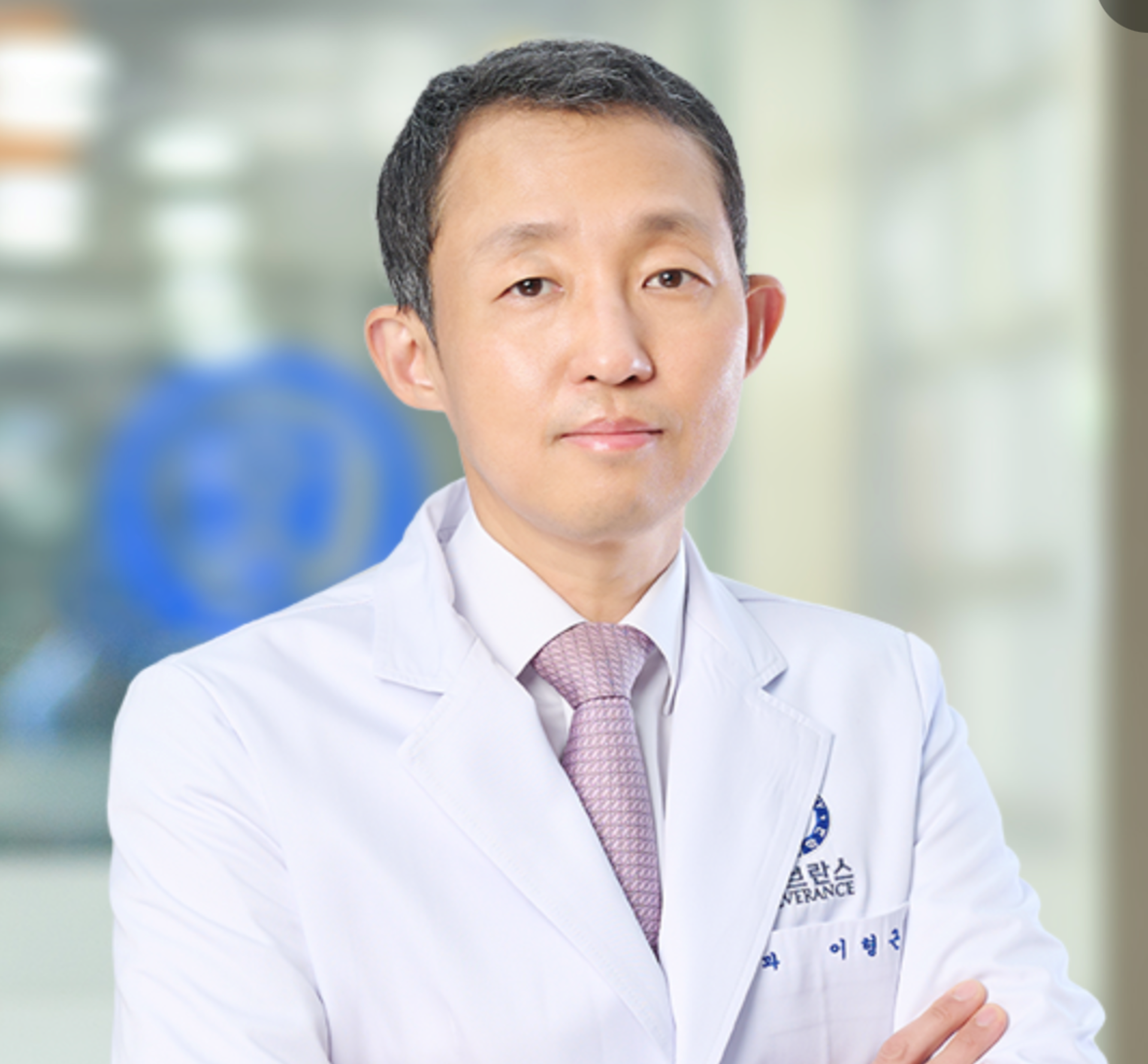
Professor in Department of Ophthalmology, Yonsei University College of Medicine, Seoul, Korea
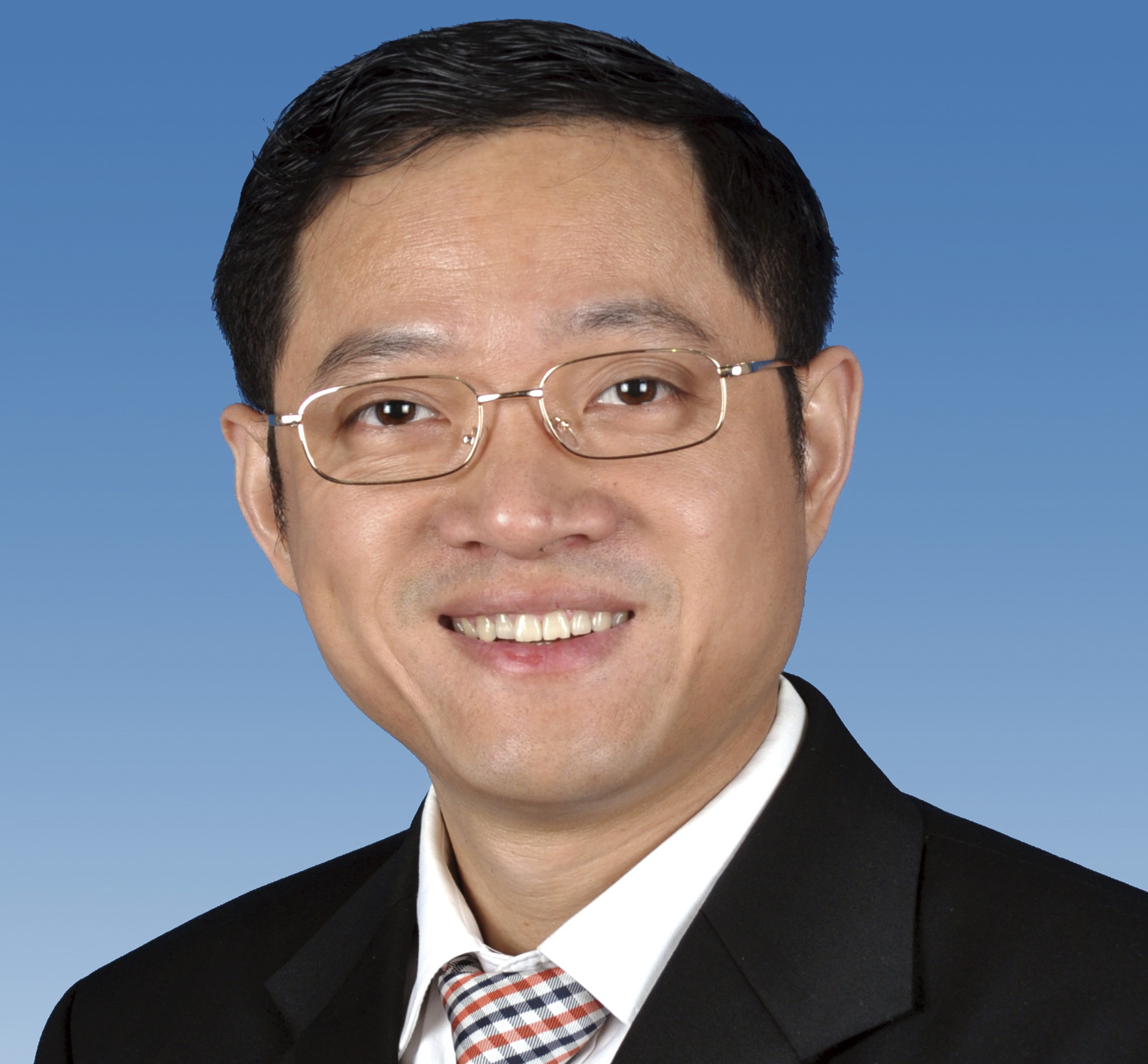
Professor of Ophthalmology and Deputy Dean, School of Medicine, Xiamen University
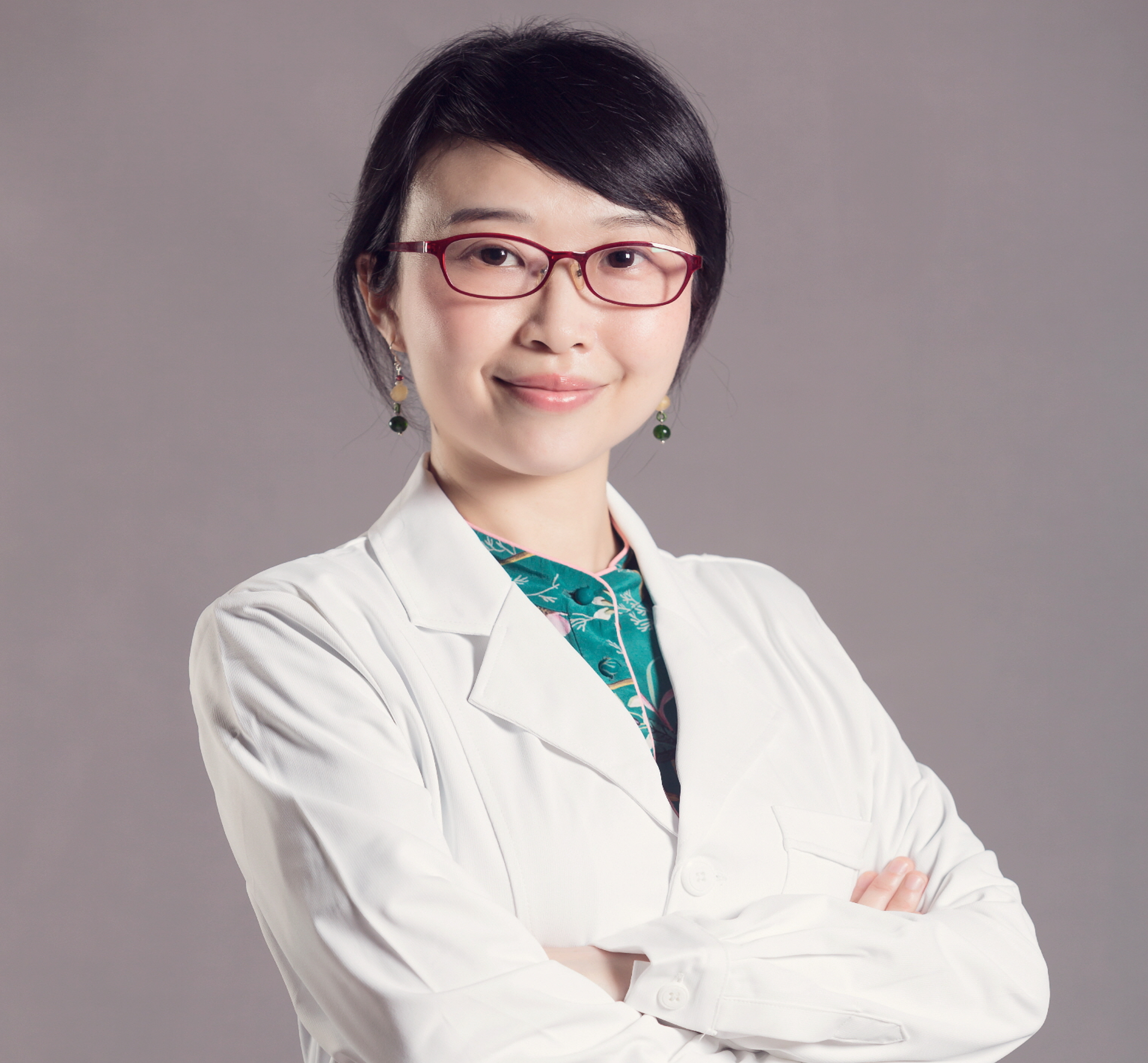
Vice President; Director of the Prevention of Blindness Department, Zhongshan Ophthalmic Center, Sun Yat-sen University, Guangzhou, China
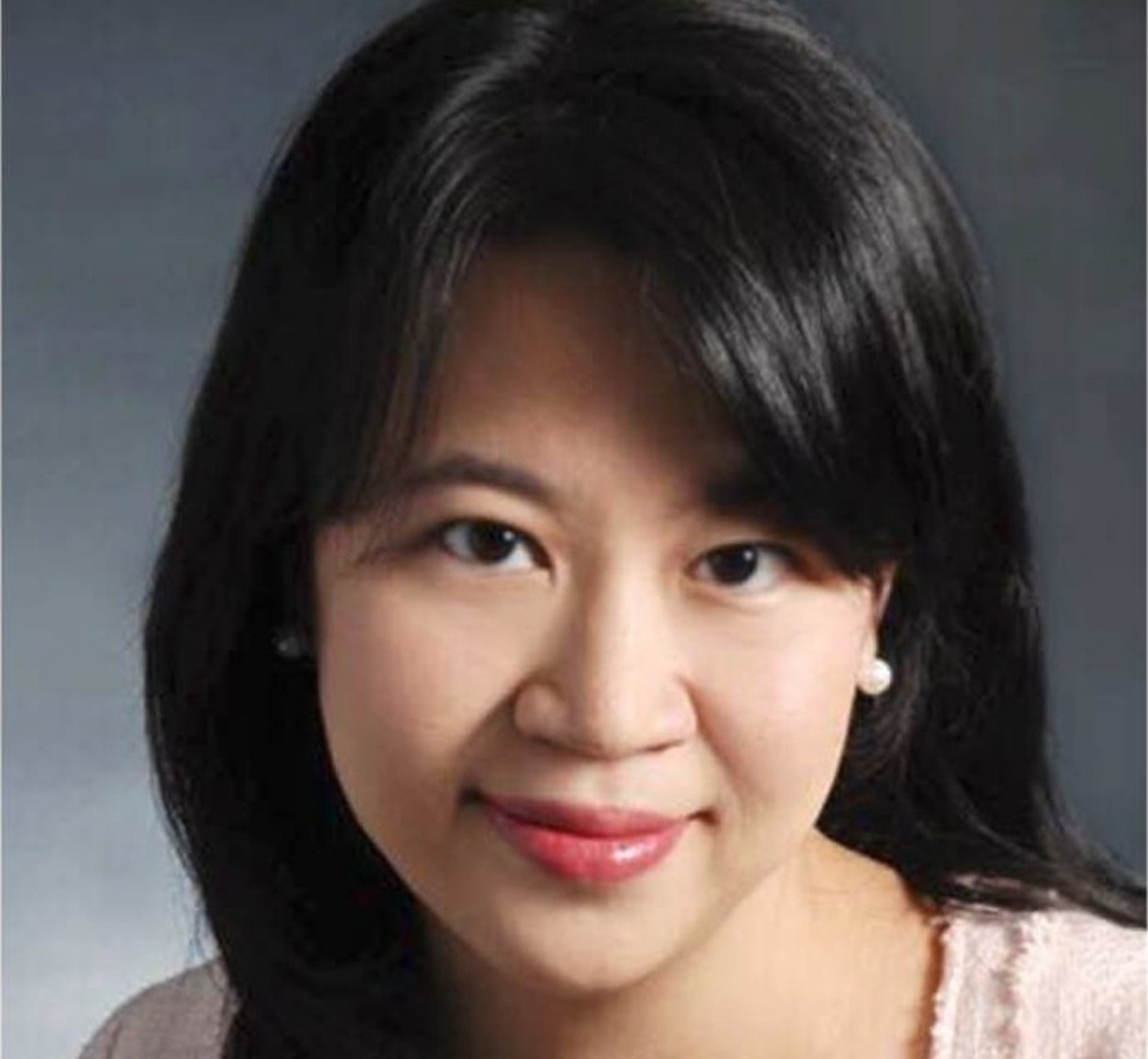
Clinician, Clinician Scientist, Associate Professor, Department of Cornea, Singapore National Eye Center, Singapore
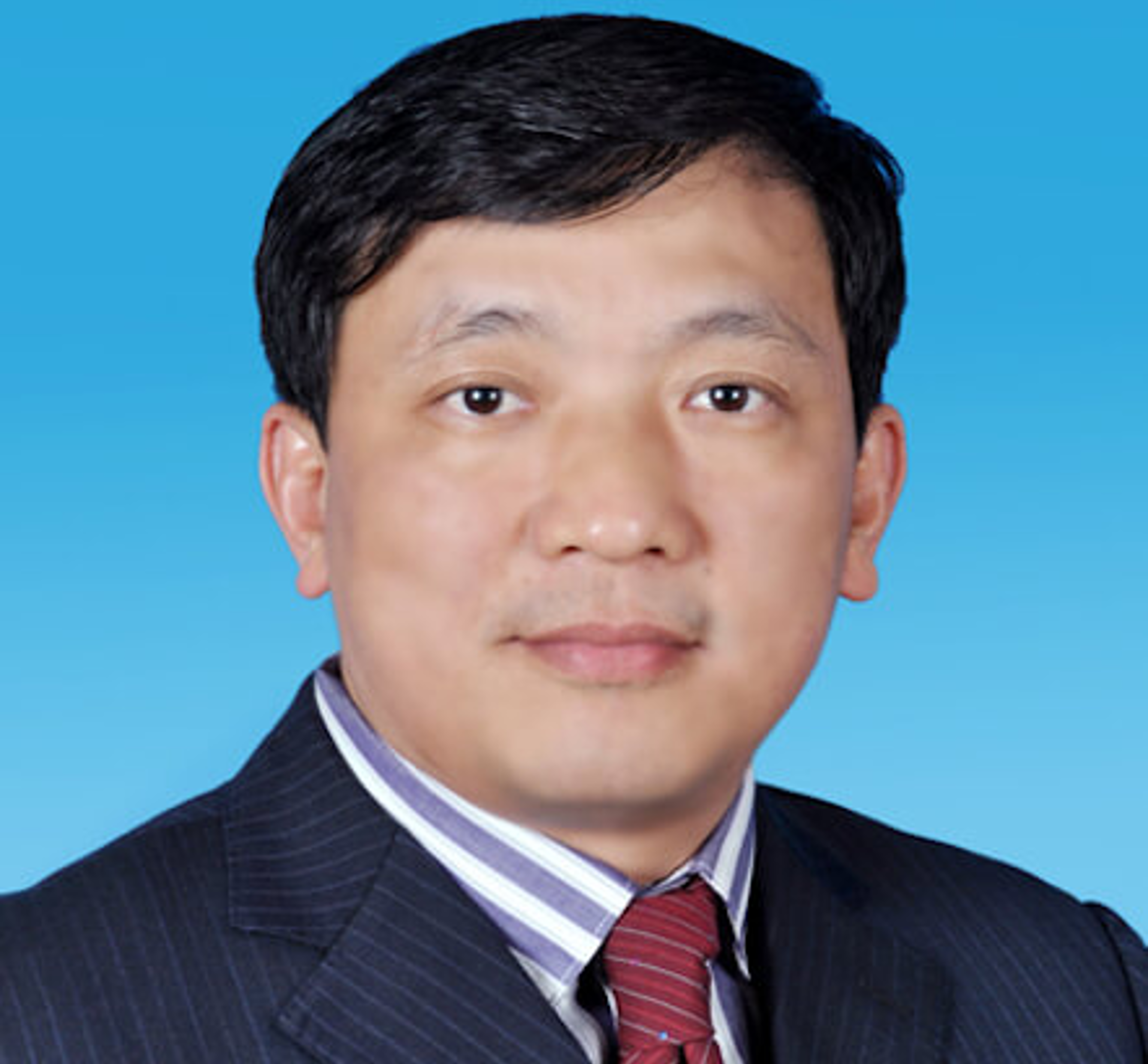
Changjiang (Yangtze River) Distinguished Professor Director of Eye Institute of Xiamen University China
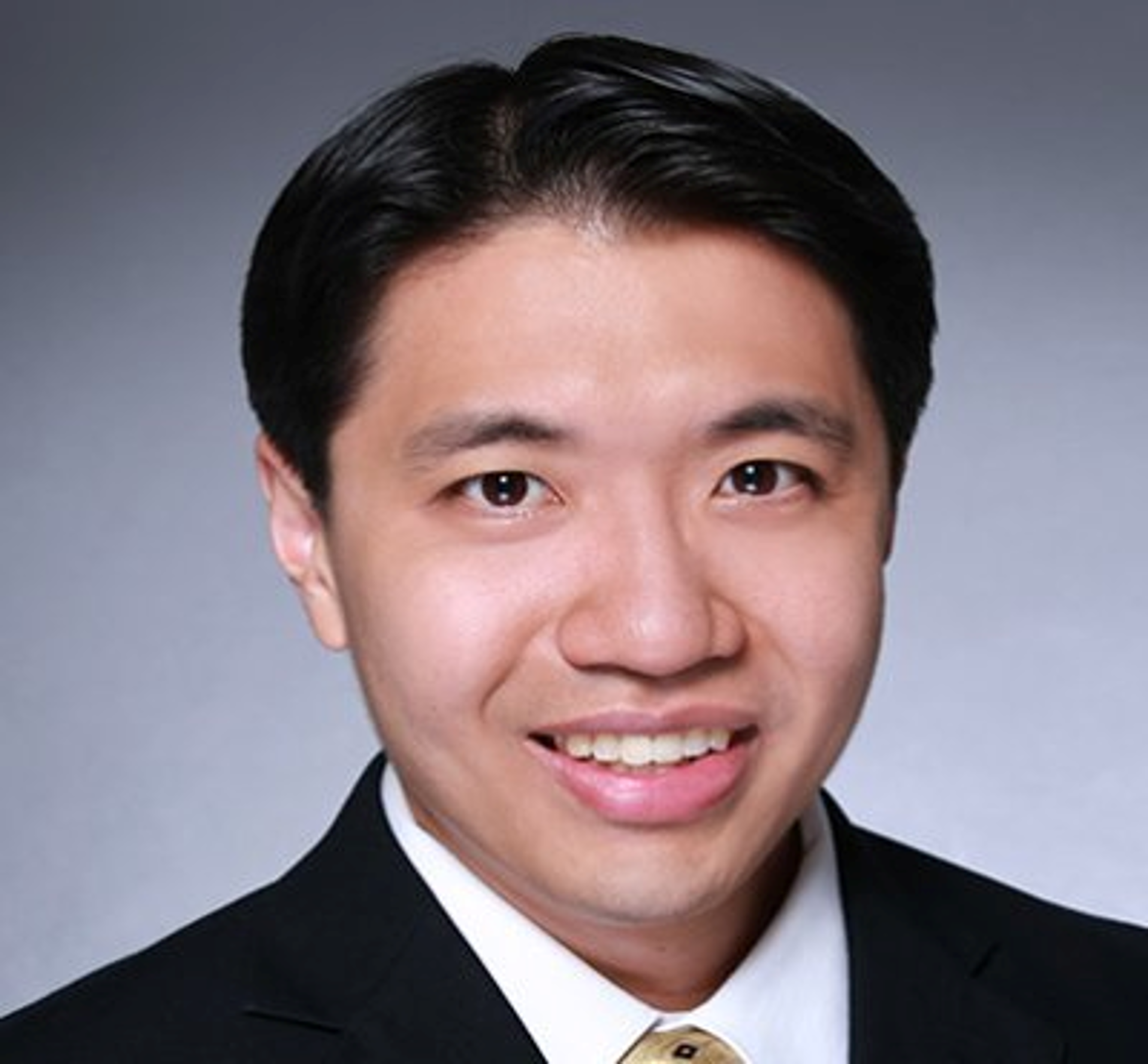
Senior Consultant and Deputy Clinical Director, Singapore National Eye Centre and Singapore Eye Bank, Singapore
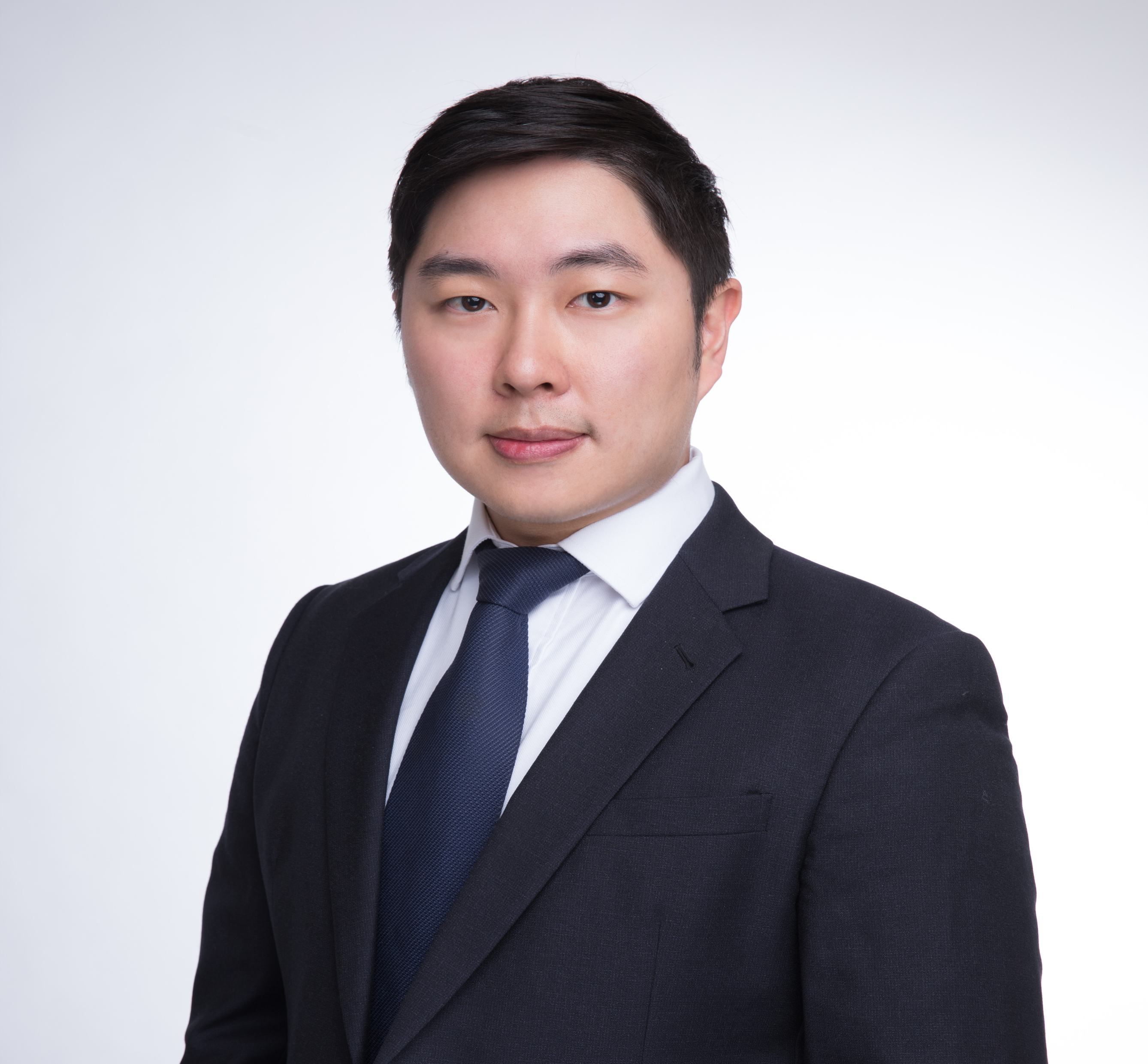
Clinical Associate Professor Department of Ophthalmology, School of Clinical Medicine, Li Ka Shing Faculty of Medicine, The University of Hong Kong
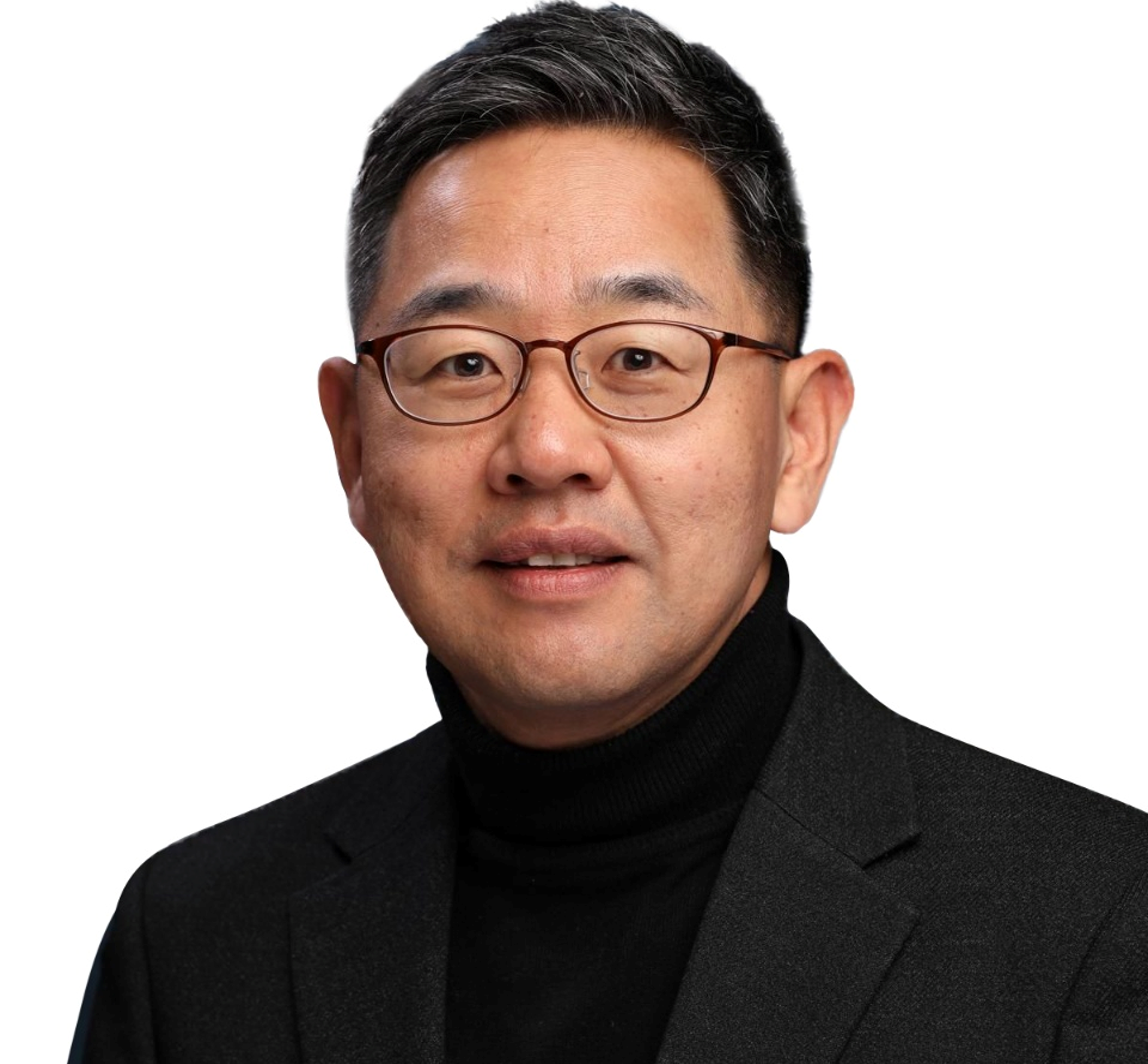
Professor, Department of Ophthalmology, Korea University Hospital
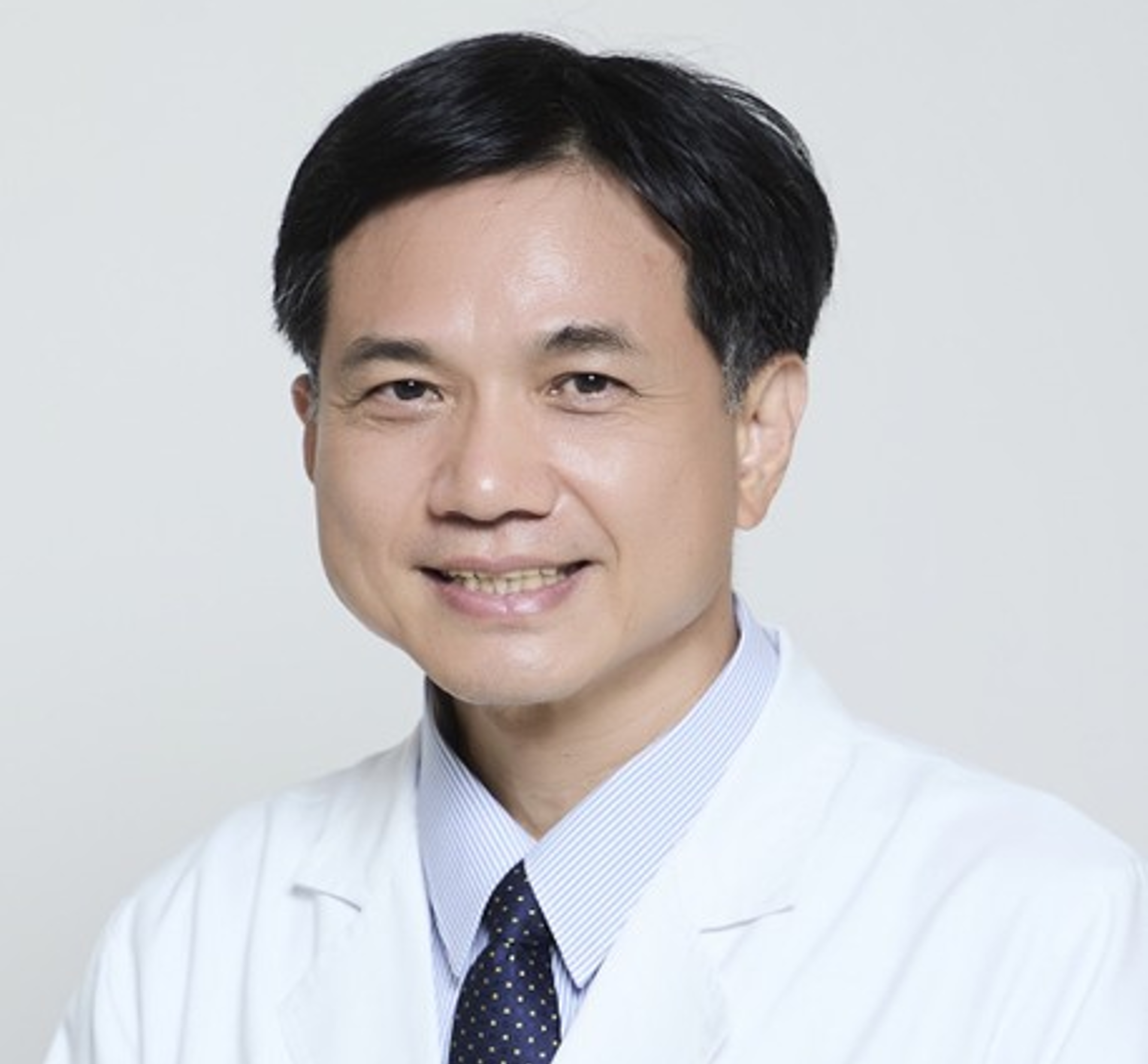
Deputy Superintendent & Professor of Ophthalmology, Chang Gung Memorial Hospital, Keelung & Chang Gung University, Taoyuan, Taiwan
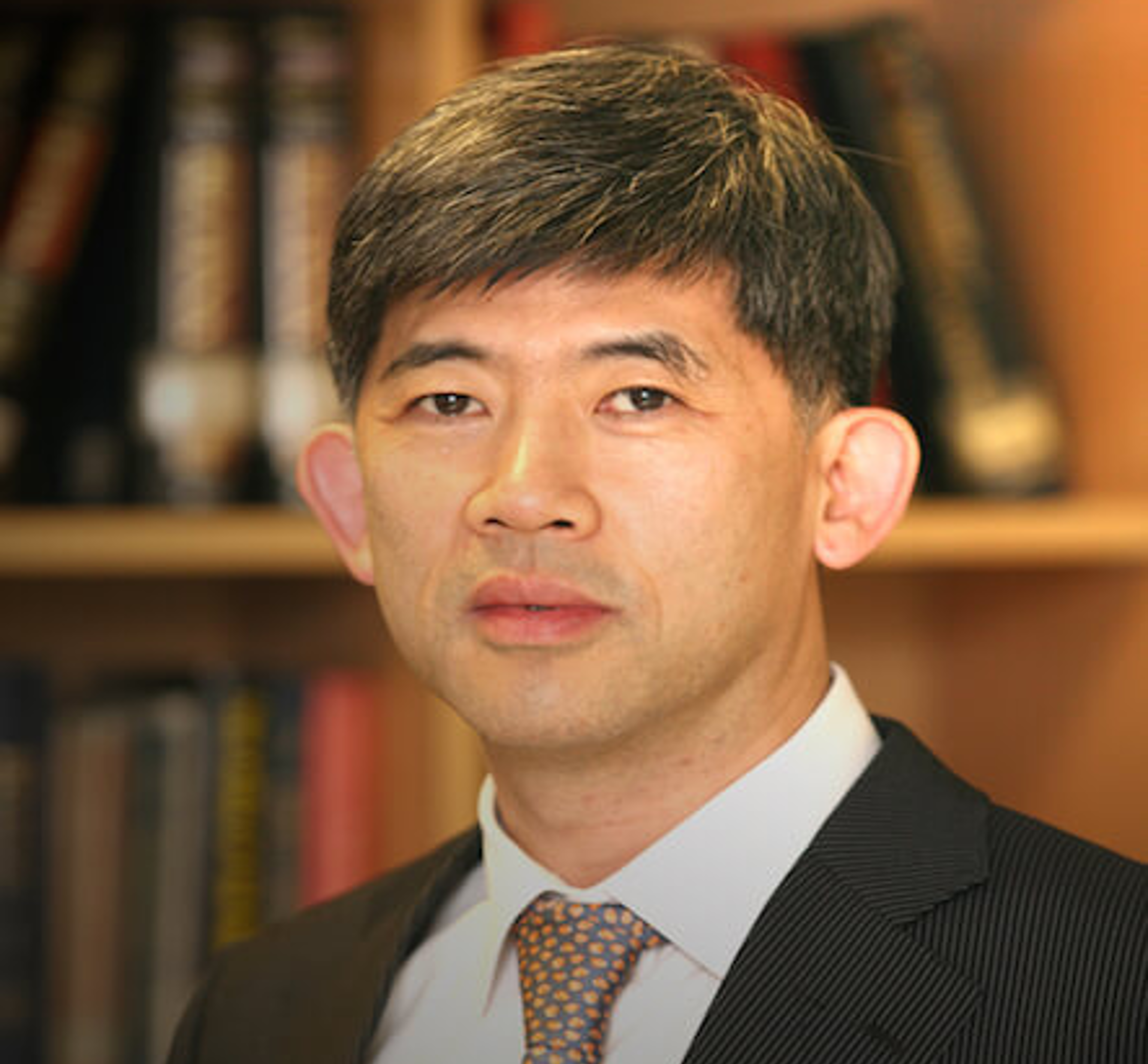
Professor at the University of Ulsan Department of Ophthalmology
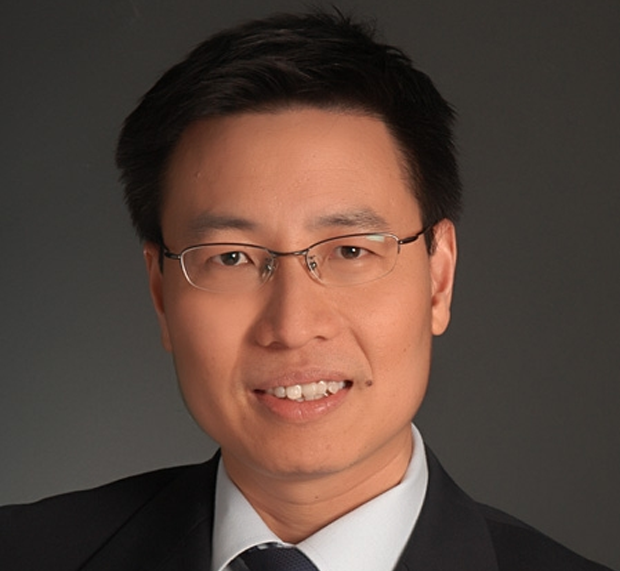
Chair, Organizing Committee Vice President, Asia Dry Eyes Society
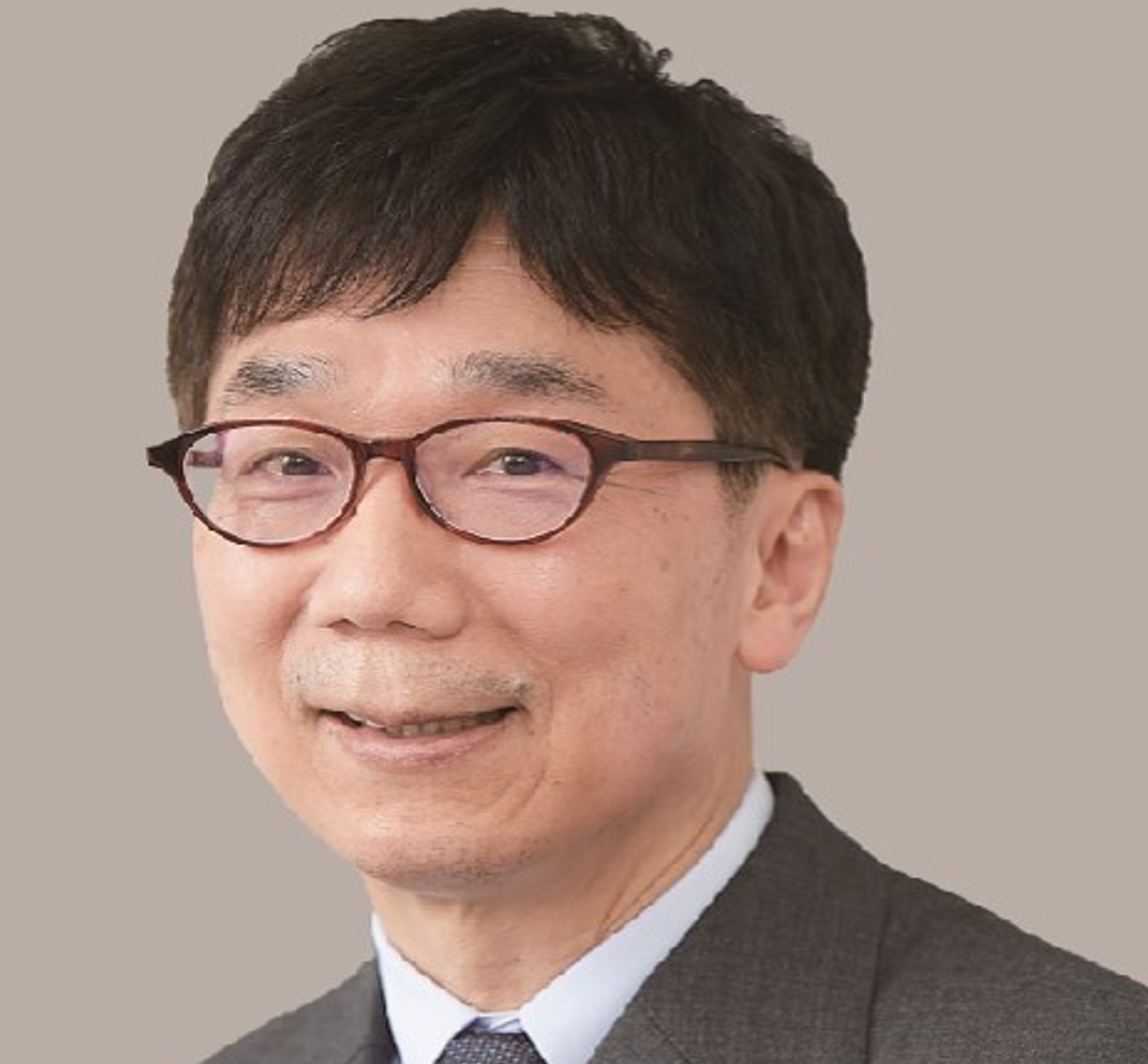
Visiting Professor, Department of Ophthalmology, Kyoto Prefectural University of Medicine, Japan
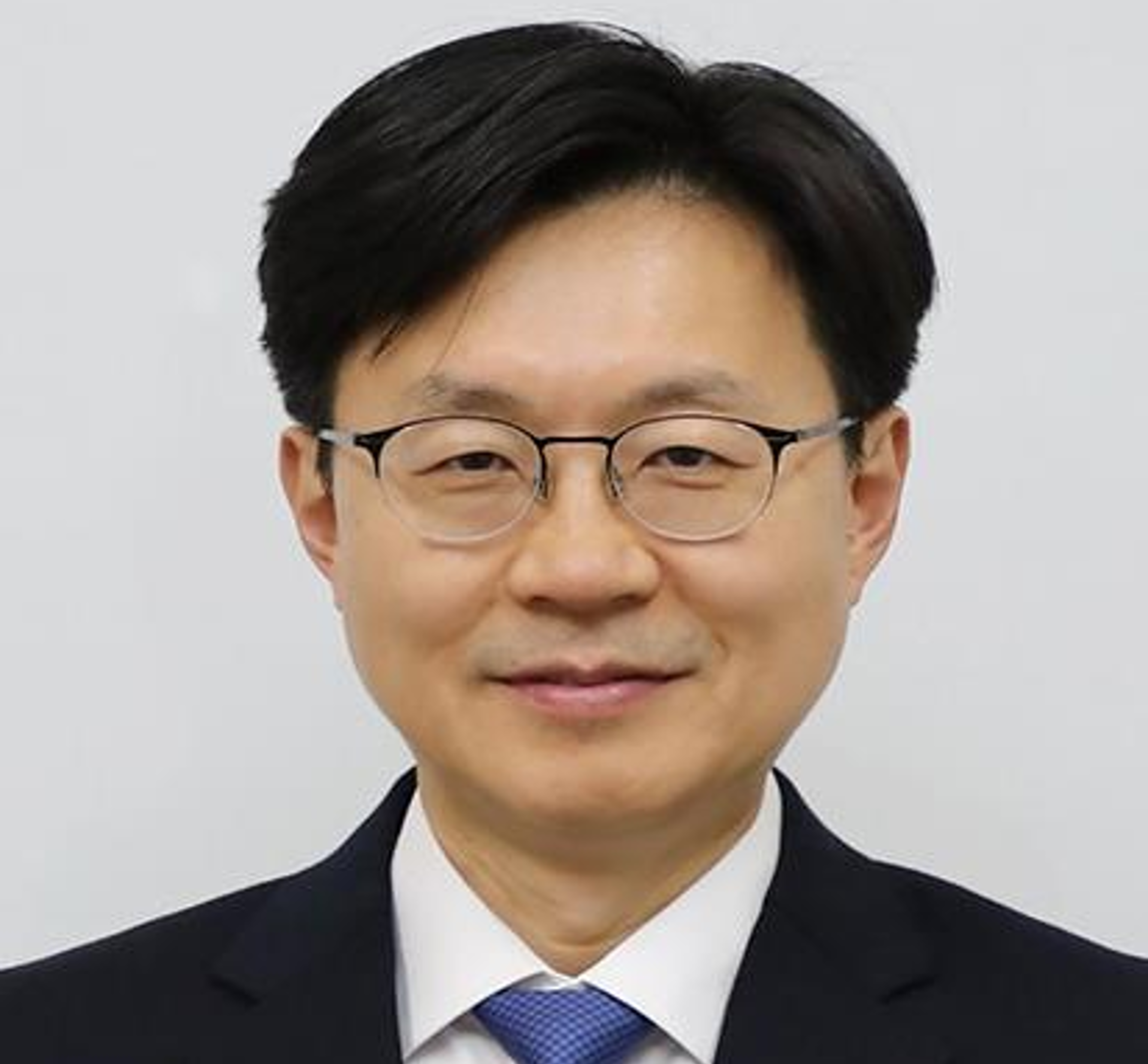
Professor, Department of Ophthalmology, Chonnam National University Medical School and Hospital, Korea
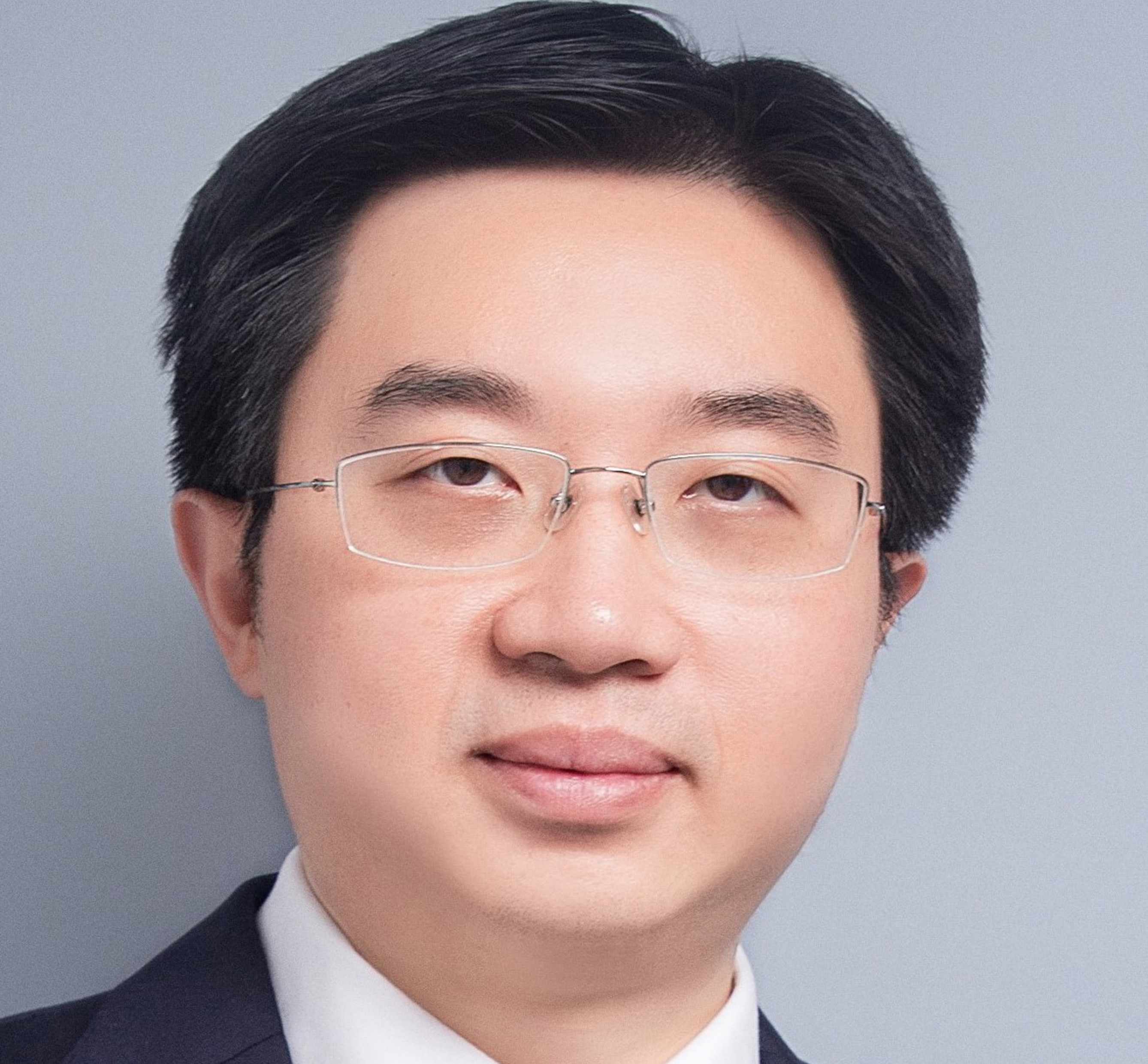
President, Member of the Standing Committee of the Party Committee, Professor and Doctoral Supervisor Beijing Tongren Hospital, Capital Medical University, China
Director, Narayana Nethralaya, Bengaluru, India Professor, Translational Research Chair, Maastricht University, Netherlands
Refractive Surgeon & Clinician-Scientist
• GROW Laboratory
• Imaging, Biomechanics & Mathematical Modeling Lab (IBMS)
• Genetics & Gene Therapy Lab
• Biodiffusion & Drug Discovery Lab
• Founder Director – Biomarker Pathfinder Kit (Novomol Dx)
• 450+ Publications | H-Index 45 | 8,100+ Citations
• Casbeer Award – International Society of Refractive Surgery
• FRCS Examiner & Global Academic Mentor
• Principal Investigator – Regulatory & International Clinical Trials
Deputy Director Department of Ophthalmology, Itoh Clinic Japan
Reiko Arita, MD, PhD is an ophthalmologist specializing in dry eye disease and meibomian gland dysfunction (MGD). She received her MD and PhD degrees from Kyoto Prefectural University of Medicine and completed her clinical training in ophthalmology at the same institution. She subsequently held academic and clinical appointments at Keio University and the University of Tokyo.
Dr. Arita is currently Chief Ophthalmologist and Deputy Director of Itoh Clinic. Her research focuses on the ocular surface, meibomian gland biology, meibography, and the diagnosis and management of MGD. She is internationally recognized for her contributions to the development and clinical application of noncontact meibography.
She serves as Chair of the Lid and Meibomian Gland Working Group and has played key roles in multiple international initiatives of the Tear Film & Ocular Surface Society (TFOS), including the International Workshops on MGD, DEWS II, and DEWS III. Dr. Arita is an Associate Editor of The Ocular Surface and serves on the editorial boards of several international journals.
She holds multiple international patents related to dry eye diagnostics and therapeutic technologies, including noncontact meibography, and has received national awards for her contributions to dry eye research.
Vice President, Professor, Eye Hospital, Wenzhou Medical University
Dr. Wei Chen is Vice-Chair and Professor of Ophthalmology in the affiliated eye hospital of Wenzhou Medical University. He graduated from Wenzhou Medical University with Medical Degree in 1998 and Shanghai Fudan university with PhD in 2002.
He was trained as postdoctoral research fellow in Schepens Eye Research Institute in Harvard Medical School and Ocular Surface Center in Baylor College of Medicine. He was an author on over internationally 100 peer-reviewed publications such as Nature Communication, NPJ Digital Medicine, Genome Medicine, Ophthalmology, The Ocular Surface, AJO, IOVS, BJO, Cornea etc. He has attracted over US$ 5000,000 in grants and awards. He has more than 30 patents at home and abroad. He also served as reviewer for more than 10 international journals including Nature Commucation, Ophthalmology, Ocular Surface, IOVS, BJO, APJO, TVST,etc. He is Editorial Board member of APJO, chairman of TFOS China, Board of Directors of TFOS, founding member of Asia Dry Eye Society. He had been invited as speaker in 30 international conferences. He has more than 4000 cases of experiences of DALK, DSAEK/DMEK, PKPs and Boston Keratoprothesis surgeries. His clinical and research interests include molecular mechanism of dry eye, Artificial Intelligence and Telemedicine in Ophthalmology, corneal engineering, organoids, translational research, corneal transplantation.
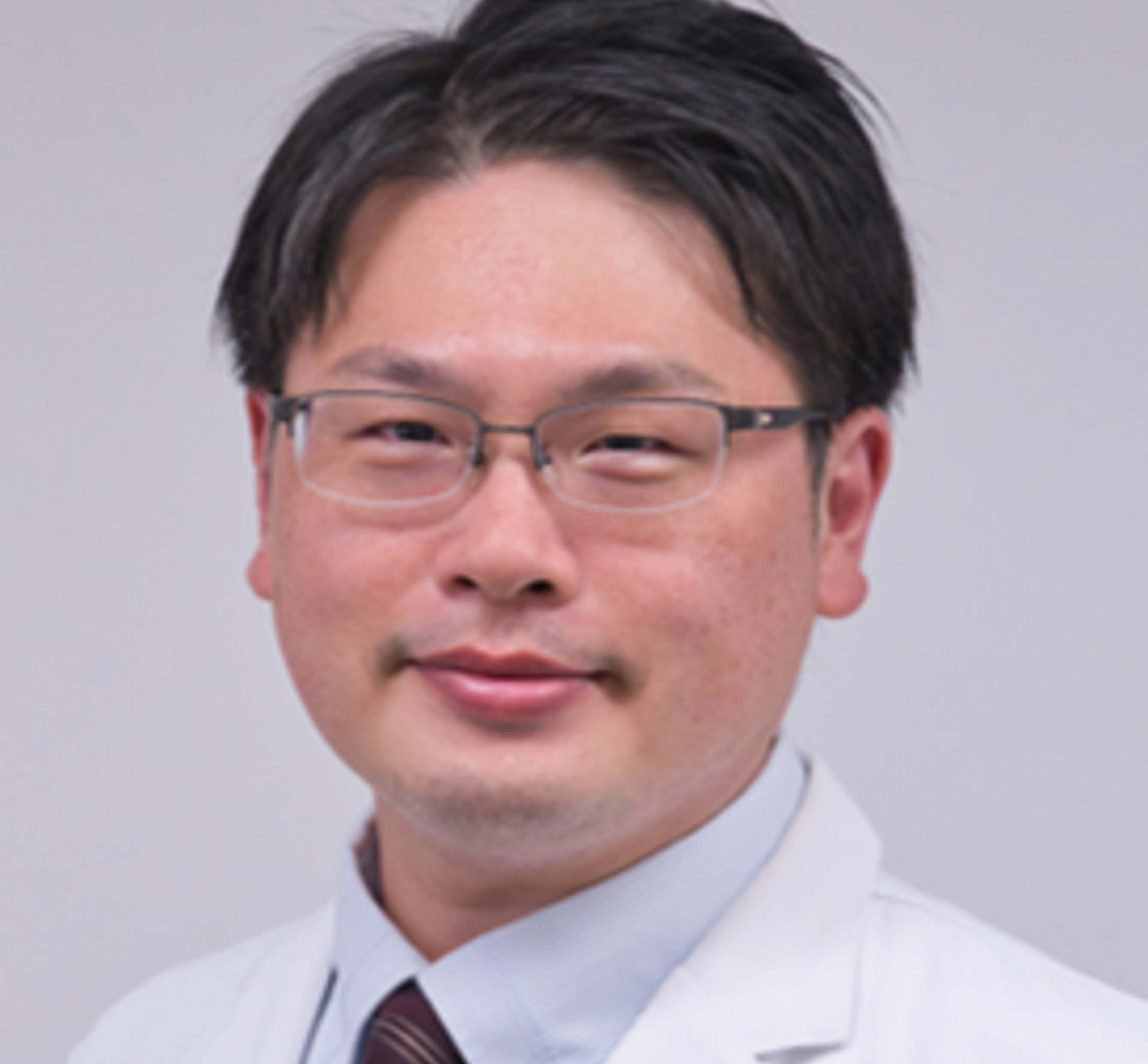
Professor and Chair Department of Ophthalmology, Fukuoka University, Japan
Dr. Masatoshi Hirayama, MD, PhD, is Professor and Chair of the Department of Ophthalmology at Fukuoka University School of Medicine, Japan. He graduated from Kitasato University School of Medicine in 2006 and completed his initial residency at Kitasato University Hospital in 2008. He subsequently joined the Department of Ophthalmology at Keio University School of Medicine for advanced clinical training.
He earned his PhD from Keio University Graduate School of Medicine in 2014. In 2015, he moved to the Salk Institute for Biological Studies in the United States as a postdoctoral fellow and was appointed as a JSPS Overseas Research Fellow in 2017. His research during this period focused on molecular and developmental mechanisms relevant to tissue regeneration.
After returning to Japan, he served as Lecturer at Tokyo Dental College Ichikawa General Hospital in 2019, and later at Keio University, where he was promoted to Assistant Professor in 2022 and Associate Professor in 2024.
His academic work centers on anterior segment regenerative medicine, including iPSC-derived corneal endothelial cell therapy, lacrimal gland regeneration, and translational research for severe dry eye disease. In 2025, he assumed his current position, leading clinical and research programs in corneal surgery and regenerative ophthalmology.
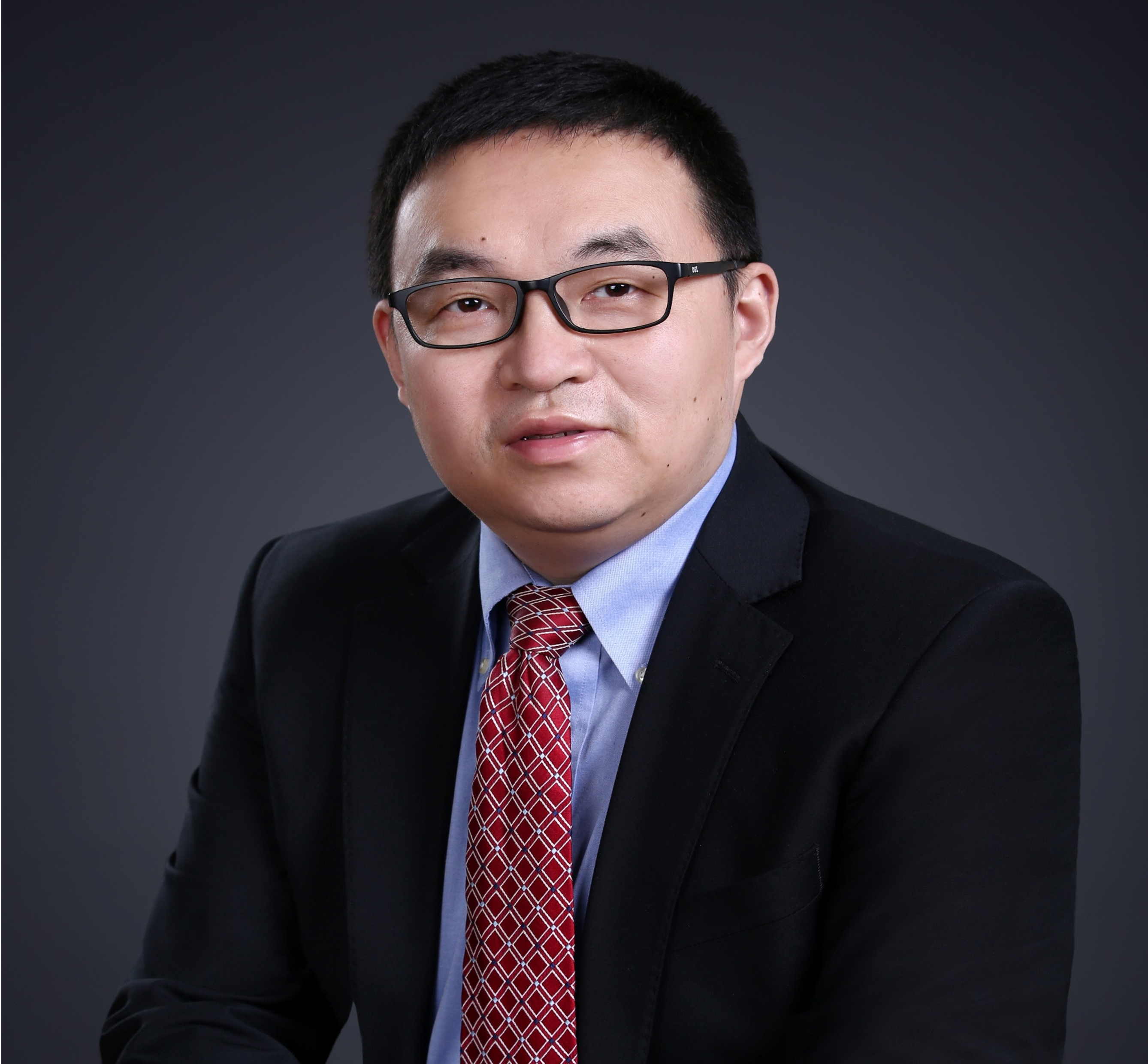
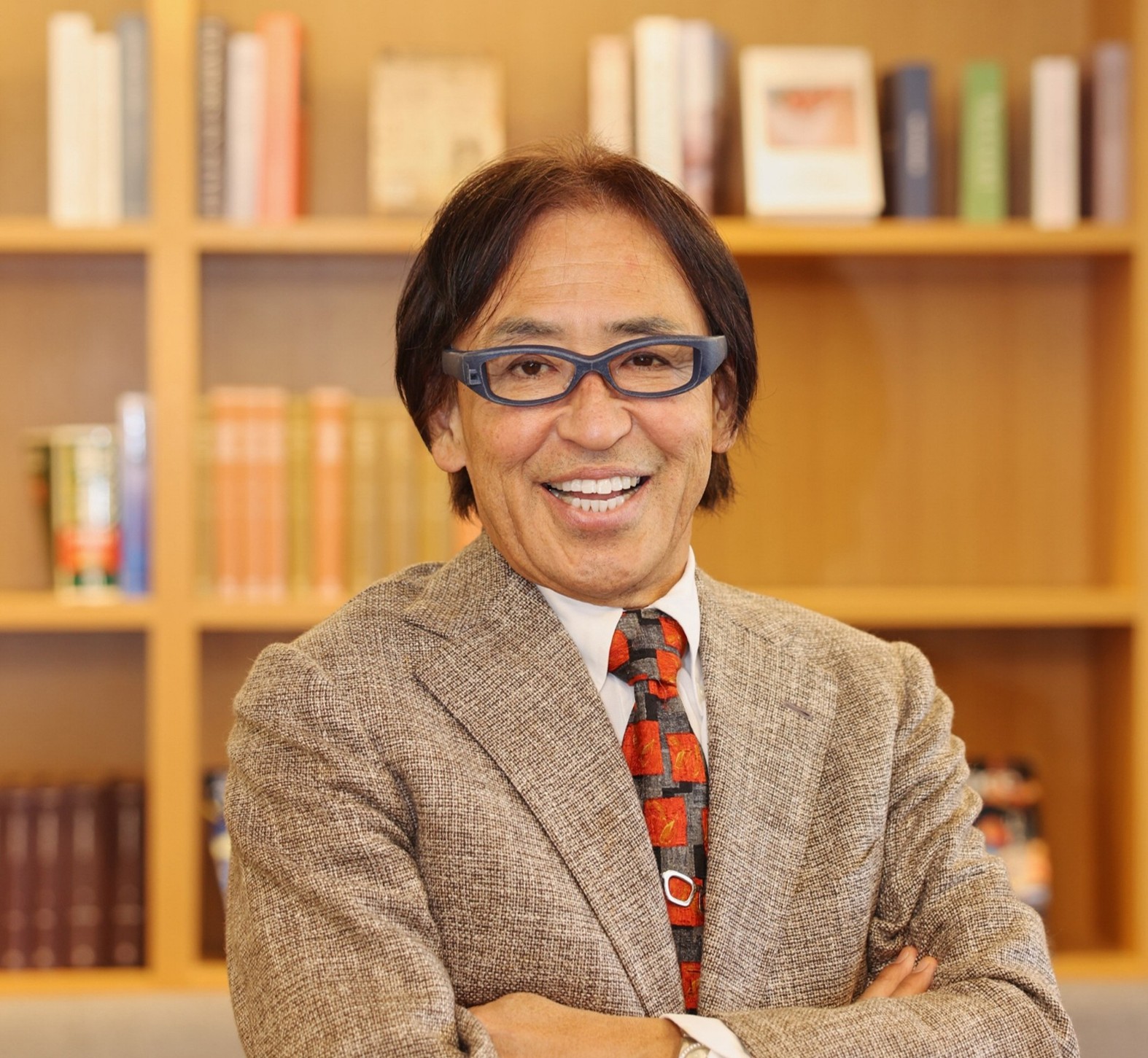
Chief Executive Officer, Tsubota Laboratory, Inc., Japan
Kazuo Tsubota serves as the CEO of Tsubota Laboratory and Professor Emeritus at
Keio University School of Medicine. An internationally recognized dry eye
specialist, Prof. Tsubota has devoted much of his career to studying the pathogenesis
and treatment of dry eye. Prof. Tsubota was the first Japanese recipient of the American Academy of
Ophthalmology Honor Award and received the Academy’s Life Achievement Award in 2020.
|
1980 |
MD Keio University School of Medicine, Japan
|
|
1980 – 1984 |
Resident, Department of Ophthalmology, Keio University School of Medicine, Japan
|
|
1985 – 1987 |
Clinical Fellowship, Harvard Medical School, Massachusetts Eye & Ear Infirmary, USA
|
|
1985 – 1987 |
Research Fellowships, Eye Research Institute & Boston University, USA
|
|
1989 |
PhD, Department of Ophthalmology, Keio University School of Medicine, Japan
|
|
1990 – 2004 |
Assistant Professor, Department of Ophthalmology, Keio University School of Medicine, Japan
|
|
1998 – 2004 |
Professor, Dept. of Ophthalmology, Tokyo Dental College, Ichikawa General Hospital, Japan
|
|
2004 – 2021 |
Professor, Department of Ophthalmology, Keio University School of Medicine, Japan
|
|
2019 |
Executive MBA, Keio Business School, Japan
|
|
2021 - Present |
Professor emeritus, Keio University School of Medicine, Japan
|
|
2019 – Present |
CEO, Tsubota Laboratory, Inc., Japan
|
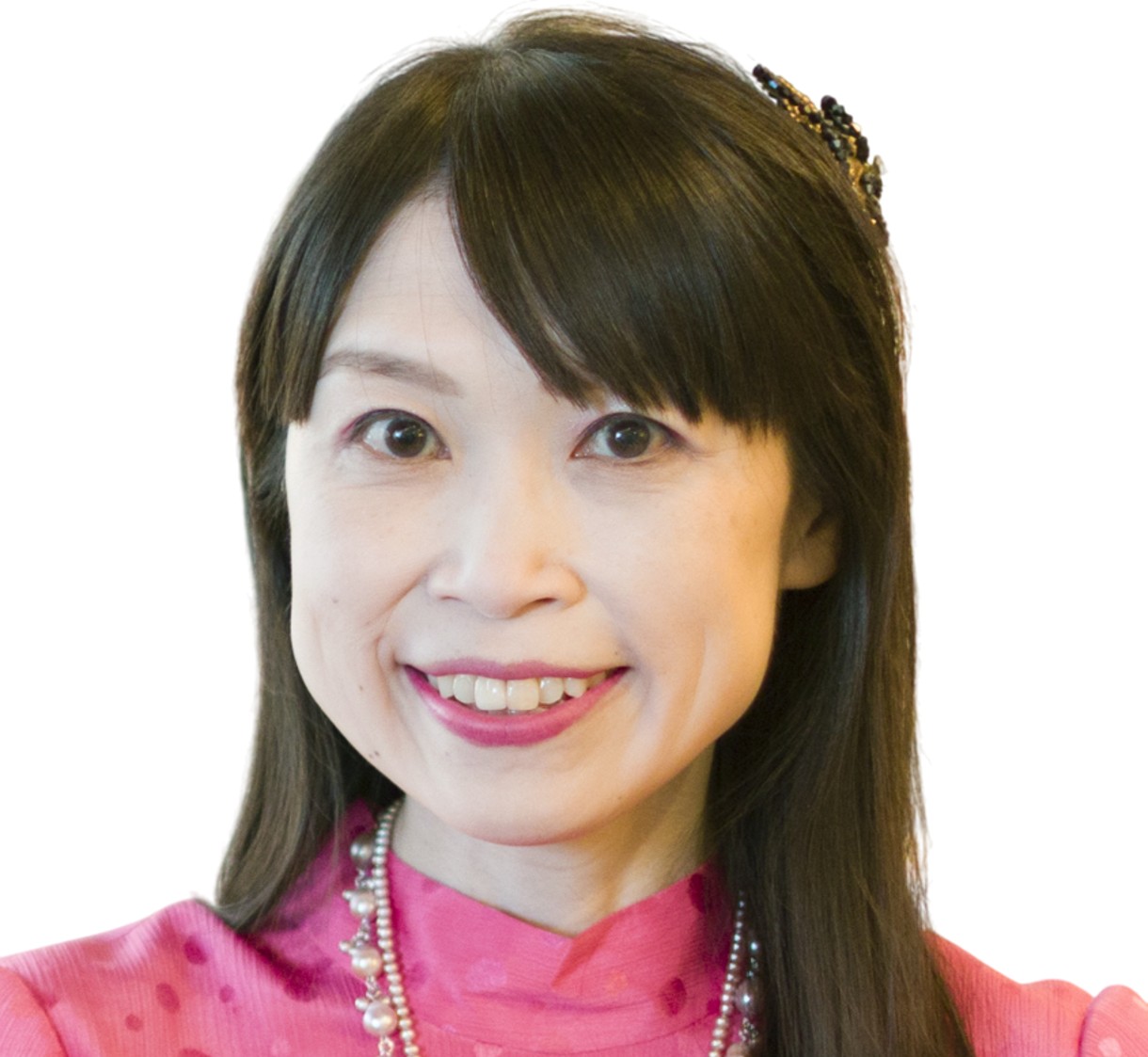
Associate Professor, Department of Innovative Visual Science. The University of Osaka Graduate School of Medicine, Japan
Dr. Shizuka Koh is Associate Professor of Innovative Visual Science at the University of Osaka Graduate School of Medicine, Japan. She received her MD and PhD from the same institution and completed postdoctoral research training at the University of Rochester, USA.
Her academic and clinical work spans the full spectrum of corneal and ocular surface health, including dry eye, keratoconus, corneal imaging, and contact lenses, with a particular focus on visual quality. She has authored over 160 peer-reviewed papers and several book chapters, and her clinical applications of optical quality assessment and tear film analysis have helped bridge basic research and clinical practice.
Dr. Koh is a recipient of the Achievement Award from the American Academy of Ophthalmology (AAO). She serves as Associate Editor of Eye & Contact Lens and is on the Editorial Board of Eye. She has served as President of the Japan Contact Lens Society since January 2026.
Professor in Department of Ophthalmology, Yonsei University College of Medicine, Seoul, Korea
I am tenure professor in Department of Ophthalmology, Yonsei University College of Medicine, Seoul, Korea. My research program focuses on immunoregulation and tissue damaging mechanism, and vasculogenesis during corneal inflammation. For the past 20 years, I have been interested in determining the functions of different immune and non-immune cells, including pathogenic and regulatory T cells, myeloid progenitors, and in the induction of immune tolerance and tissue repair in ocular inflammatory diseases. Our work has led to many important novel findings. Our team was to report that epithelial healing mechanism after refractive surgery, investigate the role of PTK7 in corneal angiogenesis, determine the immunoregulartory role of lacrimal gland, role of myeloid derived suppressor cell in acute rejection of penetrating keratoplasty, found the novel lymphangiogenesis marker in murine dry eye model, find novel biomarker for DE induced inflammation, and compare the difference of tear fluid and lacrimal fluid.
In addition, our team has successfully executed and reported many clinical trials for dry eye treatment, including TNF-alpha aptamer, 0.15% hyaluronic acid, 0.18% hyaluroniac acid 0.1% cyclosporin, 5% diquafosol sodium, 1.5% rebamipide, and more.
Ongoing projects on ocular immune modulation that I would like to highlight:
Ocular Immune Regulation in human corneal transplantation and endothelial cell loss
Role of the infiltrating cells in lacrimal gland and ocular surface in progression of dry eye pathophysiology
Professor of Ophthalmology and Deputy Dean, School of Medicine, Xiamen University
1994 Graduated from Wannan Medical College, Anhui, China
1999 Graduated from Tongji Medical University, Wuhan, China
1994-1996 Resident, Department of Ophthalmology, Anqing Navy Workers Hospital, Anhui, China
1999-2003 Chief Physician, Department of Ophthalmology, Songgang Hospital, Shenzhen, China
2003-2007 Postdoctoral Researcher, Ocular Surface Center, Miami, FL, USA
2007-2011 Associate Professor, Eye Institute of Xiamen University, Xiamen, China
2011-Present Professor, Eye Institute of University, Xiamen, China
Dr. Wei Li is the professor of Ophthalmology at Eye Institute of Xiamen University, director of the department of Ophthalmology & Visual Science, deputy dean of School of Medicine at Xiamen University. He works as a cornea specialist in Xiamen University affiliated Xiamen Eye Center and Xiang’an Hospital. He is also honorary Professor at School of Optometry & Vision Sciences, Cardiff University. His basic research focuses on corneal stem cell, corneal tissue engineering and the mechanism of dry eye. He has published more than 110 papers on peer-reviewed journals such as IOVS, Ocul Surf, Adv Sci, Cell Res, and so on.
Dr. Li is now board member and vice president of Asia Dry Eye Society, member of Chinese Dry Eye Society, Asia Cornea Society, Chinese Cornea Society, and member of the Association for Research in Vision and Ophthalmology. He serves as academic editor of the Ocular Surface journal, American journal of Ophthalmology and Experimental Eye Research journal.
Vice President; Director of the Prevention of Blindness Department, Zhongshan Ophthalmic Center, Sun Yat-sen University, Guangzhou, China
Professor Lingyi Liang is the Vice President and Director of the Prevention of
Blindness Department at the Zhongshan Ophthalmic Center, Sun Yat-sen University, China. As a doctor in corneal and ocular surface diseases, she specializes in the diagnosis and management of complex keratitis, immune-mediated corneal diseases, and complicated dry eye cases.
Prof. Liang led the “laughter therapy” study for dry eye disease treatment published in The BMJ (as the last corresponding author). She also introduced the concept of “Functional Dry Eye” which has been officially adopted into Chinese national clinical guidelines. Her prolific academic output includes over one hundred SCI publications in top-tier journals such as NEJM (case), The BMJ, Allergy, and Ophthalmology.
In her capacity as a Board Director of the Asia Dry Eye Society (ADES), she has led or contributed to the development of six international consensus guidelines. Globally, she serves as a core member of the WHO SPECS 2030 initiative. She also holds editorial leadership as the deputy editor of BMJ Open Ophthalmology and editorial board member in Asia-Pacific Journal of Ophthalmology (APJO)
Clinician, Clinician Scientist, Associate Professor, Department of Cornea, Singapore National Eye Center, Singapore
Associate Professor Yu-Chi Liu is currently Clinician and Clinician Scientist at the Department of Cornea, Singapore National Eye Centre. She is also the Co-Head, Regenerative Therapy Group, Singapore Eye Research Institute, and Associate Professor, Ophthalmology and Visual Sciences, Duke National University of Singapore (Duke-NUS), Singapore.
She is listed as the Top 100 Most Influential Ophthalmologist in Asia-Pacific Academy of Ophthalmology (2025), and the World Top 2% Scientist since 2022 (2022-2025). She has published 170 peer-reviewed papers, including 2 in prestigious journals: LANCET and LANCET RESPIRATORY MEDICINE, as the first author. She has been successful in obtaining national research funding, with a total funding amount of 8.1 million $SGD. She has won 19 awards both nationally and internationally, such as the Achievement Award of Asia- Pacific Academy of Ophthalmology.
Her clinical and research work is internationally recognized. She is the Lead of Global Neuropathic Ocular Pain (NOPP) platform. She is in the Advisory Board of American Academy of Ophthalmology, Global Ophthalmology. She is the Editor of 7 journals and contributed to 7 book chapters.
Changjiang (Yangtze River) Distinguished Professor Director of Eye Institute of Xiamen University China
| 1996 |
Graduated from Zhongshan Ophthalmic Center, Sun Yat-sen University, China |
| 1991-1992 |
Resident, Zhongshan Ophthalmic Center, Sun Yat-sen University, China |
| 1992-1995 | Attending Resident, Zhongshan Ophthalmic Center, Sun Yat-sen University, China |
| 1995-1999 | Associate Professor, Zhongshan Ophthalmic Center, Sun Yat-sen University, China |
| 1999-2001 |
Professor, Zhongshan Ophthalmic Center, Sun Yat-sen University, China |
| 2001-2002 |
Professor, Eye Center, Beijing University, China |
| 2003-2005 |
Professor, Zhongshan Ophthalmic Center, Sun Yat-sen University, China |
| 2006- Present |
Professor, Eye Institute of Xiamen University, China |
Senior Consultant and Deputy Clinical Director, Singapore National Eye Centre and Singapore Eye Bank, Singapore
Dr Ong Hon Shing is a Senior Consultant at the Singapore National Eye Centre and Deputy Clinical Director of the Singapore Eye Bank. He obtained his medical degree from Barts and the London School of Medicine, University of London, where he achieved the highest number of awards in his cohort and was proxime accessit to the University of London Gold Medal.
He completed his Ophthalmology Specialist Training at Moorfields Eye Hospital, London, and received multiple accolades, including the Elizabeth Hunt Medal from the Royal College of Ophthalmologists. Dr Ong holds postgraduate qualifications from the Royal College of Ophthalmologists, an MSc in Cataract and Refractive Surgery, and a PhD in ocular surface inflammation and scarring from University College London.
Dr Ong has completed subspecialty fellowships in corneal and external diseases and refractive surgery in the UK and Singapore. His clinical expertise includes corneal and ocular surface diseases, advanced corneal transplantation, cataract surgery, and refractive surgery.
An active clinician-scientist, Dr Ong has received numerous research awards and grants, published extensively in international journals, and regularly presents at international conferences. He is also actively involved in medical education and humanitarian ophthalmic missions.
Clinical Associate Professor Department of Ophthalmology, School of Clinical Medicine, Li Ka Shing Faculty of Medicine, The University of Hong Kong
Dr. Kendrick Shih is a Clinical Associate Professor at the HKUMed School of Clinical Medicine Department of Ophthalmology. He graduated from HKUMed in 2009 with MBBS and MRes (Medicine) degrees and obtained his specialist qualifications in Ophthalmology in 2016. Kendrick was selected as a 2017 Hong Kong Academy of Medicine Distinguished Young Fellow (DYF). In 2021, he was awarded the HKUMed Faculty Teaching Medal and the Japanese Ophthalmological Society International Young Investigator Award. In 2026, Kendrick received the Asia Pacific Academy of Ophthalmology (APAO) Senior Achievement Award. Kendrick’s research interests are in sight-threatening ocular surface diseases, cornea wound healing and ophthalmic epidemiology. He has published over 100 original articles in PubMed- indexed journals.
Professor, Department of Ophthalmology, Korea University Hospital
1994 Graduated from Korea University
1998-2001 Resident, Department of Ophthalmology, Korea University Anam Hospital
2002 Cornea Fellowship, Department of Ophthalmology, Korea University Anam Hospital
2005-2007 Assistant Professor, Department of Ophthalmology, Korea University
2008-2013 Associate Professor, Department of Ophthalmology, Korea University
2013-Present Professor, Department of Ophthalmology, Korea University
2021-Present Chairman, Department of Ophthalmology, Korea University
RESEARCH INTEREST:
- Environmental Eye Disease
- Dry Eye, Meibomian Gland, and Ocular Surface Disease, Mucin
- Corneal Endothelium
- Cataract & Intraocular Lens
- Ocular Imaging
Deputy Superintendent & Professor of Ophthalmology, Chang Gung Memorial Hospital, Keelung & Chang Gung University, Taoyuan, Taiwan
Professor Chi-Chin Sun is a Professor of Ophthalmology at Chang Gung Memorial Hospital and Chang Gung University, Taiwan, and currently serves as Deputy Superintendent of Chang Gung Memorial Hospital, Keelung. He received his Doctor of Medicine degree from Kaohsiung Medical University in 1994 and obtained his PhD in Clinical Medical Sciences from Chang Gung University in 2006.
Professor Sun completed his residency training in ophthalmology and fellowship training in cornea, external eye disease, and refractive surgery at Chang Gung Memorial Hospital, Linkou. He previously served as Chief of the Department of Ophthalmology at Chang Gung Memorial Hospital, Keelung, from 2008 to 2015, and has since held several key leadership roles in medical research administration, ethics, and education.
His clinical and research interests focus on ocular surface diseases, dry eye disease, corneal transplantation, refractive surgery, and regenerative medicine, including stem cell research. Professor Sun has published more than 180 articles in peer-reviewed international ophthalmology journals and is widely recognized for his contributions to both clinical practice and translational research. He currently serves as President of the Taiwan Society of Cataract and Refractive Surgeons (TSCRS) and continues to play an active role in advancing ophthalmic care and research in Asia.
Professor at the University of Ulsan Department of Ophthalmology
Prof. Hungwon Tchah, Professor at the University of Ulsan Department of Ophthalmology, is a recognized leader in corneal, cataract, refractive, and laser surgery. He has been at the forefront of ophthalmology’s evolutionary changes throughout his career as a researcher, educator, lecturer, acclaimed physician and surgeon. Prof. Tchah served as President (2009-2011) and General Secretary of the Korean Society of Cataract and Refractive Surgery and as Head (2007-2009) of the Korean Corneal Disease Study Group. He also served on the Korean Ophthalmological Society (as Director of Academic Affairs), Korean External Eye Disease Society, and Korean Contact Lens Society. Prof. Tchah has published almost 200 peer-reviewed journal articles and is Regional Editor-in-Chief of the Korean editions and a member of the international advisory group of EyeWorld Asia-Pacific, the news magazine of the APACRS. He is the current President of the Asian Dry Eye Society.
Chair, Organizing Committee Vice President, Asia Dry Eyes Society
Professor Tong holds a tenured Professor appointment at the Duke-NUS Medical School and several appointments at the Singapore Eye Research Institute (SERI) including Principal Clinician Scientist and Head of Ocular Surface Research Group. He is represented in International expert panels like the international meibomian gland dysfunction workshop and Dry Eye Workshop II and III, is vice president of Asia Dry Eye Society, ambassador of the Tear Film and Ocular Surface Society and member of International Ocular Surface Society. He is a frequent invited speaker at industry events, has been awarded NMRC clinician-scientist award for senior investigator three times, and authored 300 peer-reviewed scientific journal articles. He runs a dedicated dry eye clinic at Singapore National Eye Centre, performs pre-clinical translational research and clinical trials.
Visiting Professor, Department of Ophthalmology, Kyoto Prefectural University of Medicine, Japan
|
1984 |
Graduated from Kyoto Prefectural University of Medicine
|
|
1986 |
Assistant Professor, Department of Ophthalmology, Kyoto Prefectural University of Medicine
|
|
1994 |
PhD., Kyoto Prefectural University of Medicine
|
|
1995-1999 |
Senior Lecturer, Department of Ophthalmology, Kyoto Prefectural University of Medicine
|
|
1996-1997 |
Fellowship, Nuffield Laboratory of Ophthalmology, University of Oxford
|
|
1999-2016 |
Associate Professor, Department of Ophthalmology, Kyoto Prefectural University of Medicine
|
|
2016-2023 |
Hospital Professor, Department of Ophthalmology, Kyoto Prefectural University of Medicine
|
|
2023-Present |
Visting Professor, Department of Ophthalmology, Kyoto Prefectural University of Medicine
|
Professor, Department of Ophthalmology, Chonnam National University Medical School and Hospital, Korea
Kyung Chul Yoon, MD, PhD is a Professor of the Department of Ophthalmology, Chonnam National University Medical School and Hospital and a Vice President of the Chonnam National University Hospital, Korea. Following his residency at the Chonnam National University Hospital, he completed a fellowship at the Keio University School of
Medicine, Japan, in 2004, and the Cullen Eye Institute of the Baylor College of Medicine, USA, in 2006–2007.
Dr. Yoon specializes in tear film and ocular surface disorders, especially dry eye disease. He is one of the pioneers in the field of clinical and experimental dry eye research and has developed many drug delivery systems for dry eye treatment. He is an Editorial Board member of the Journal of Clinical Medicine, the Frontiers in Medicine, and the Annals of Optometry and Contact Lens and has published 360 scientific papers as well as 10 book chapters.
Dr. Yoon is a president of the Korean Dry Eye Society, a president of the Korea Cornea Disease Study Group, and a previous president of the Korean Contact Lens Study Society. He is a member of the Asia Dry Eye Advisory Board and Tear Film & Ocular Surface Society DEWS II & III.
President, Member of the Standing Committee of the Party Committee, Professor and Doctoral Supervisor Beijing Tongren Hospital, Capital Medical University, China
Professor Jin Yuan, Professor and Doctoral Supervisor. Currently serves as President and Member of the Standing Committee of the Party Committee at Beijing Tongren Hospital, Capital Medical University. Recognized as a Leading Talent in the National Ten Thousand Talents Program, Chief Scientist of the National Key Research and Development Program, and Executive Deputy Leader of the Blindness Prevention Technical Guidance Group under the National Health Commission. Awarded Provincial Special Support Program for Scientific and Technological Leading Talents, Provincial Medical Leading Talents (First Batch), and Provincial Outstanding Young Medical Talents (First Batch).
Academic leadership roles include Founding Member of the Asia Dry Eye Society (ADES), Committee Member of the Asia-Pacific Ocular Imaging Society (APOIS), Vice President of the Ophthalmology Branch of the Chinese Medical Doctor Association, Standing Committee Member of the Chinese Ophthalmological Society (COS), and Executive Editor-in-Chief of Eye & ENT Research. Additionally serves as Vice Chair of the Youth Committee and member of the Corneal Disease Subspecialty Group of COS, and Chair of the Intelligent Ophthalmology Subcommittee of the China Medical Education Association.
Dedicated to investigating the pathogenesis and innovative diagnostic/therapeutic technologies for corneal and ocular surface diseases, ophthalmic artificial intelligence, and imaging equipment development. Principal investigator of multiple national-level research programs, including 2 National Key Research and Development Projects, 1 NSFC Key Program, and 4 NSFC General Programs. Led the formulation of 4 expert consensus documents/guidelines, including the Asian Dry Eye Diagnosis and Treatment Consensus and Chinese Dry Eye Diagnostic Criteria, alongside 8 technical standards.
Authored 130 publications as first or corresponding author in prestigious journals such as Nature Biomedical Engineering, The ACS Nano, and Lancet EClinical Medicine, with 17 papers having IF>10 and an H-index of 34. Successfully commercialized technologies including the intelligent meibomian gland analysis system and ultrahigh-resolution OCT, and holds 17 invention/utility model patents. Honors include the First Prize of the Guangdong Province Science and Technology Progress Award and the Academic Innovation Award in Artificial Intelligence in Chinese Universities.